
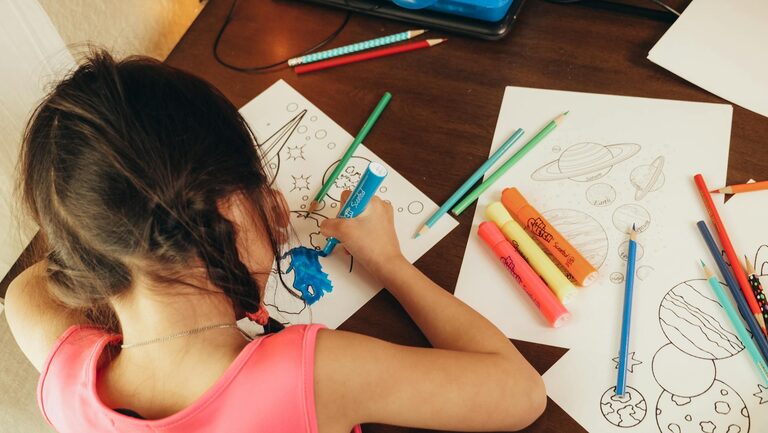
Creating art is one of the most enjoyable activities for children, allowing them to express their creativity and imagination. As parents, caregivers, or teachers, we often find ourselves with stacks of drawings, paintings, and craft projects that can quickly become overwhelming. Keeping kids’ art organized not only helps reduce clutter but also preserves those precious memories for years to come.
In this post, we’ll explore practical tips and ideas to help you organize your children’s artwork efficiently and creatively. These methods will make it easy to store art safely, showcase it proudly, and even involve your kids in the process!
Why Organize Kids’ Art?
Before diving into the organization tips, it’s important to understand why organizing kids’ art matters:
– Reduce clutter: Artwork can quickly pile up on countertops, refrigerators, and drawers.
– Preserve memories: Kids’ art captures different stages of their growth and development.
– Boost pride: Displaying art shows children their creativity is valued.
– Create easy access: Organized art is ready to enjoy or gift without digging through piles.
With this in mind, let’s look at some helpful ways to organize and celebrate your child’s creative work.
1. Designate a Special Art Space
One of the easiest ways to keep art organized is to give it a dedicated spot in your home or classroom.
Tips for an Art Display Area
– Create a gallery wall: Use clipboards, frames, or wire with clips to display recent pieces.
– Corkboards or magnetic boards: These allow for rotating artwork quickly.
– Use shelves or bins nearby: Keep supplies and current projects in the same area.
Having a designated space encourages kids to take pride in their work and makes it simpler to sort through newer creations regularly.
2. Use Storage Solutions Suited to Your Needs
Finding the right storage method depends on how much art you accumulate and what types you want to keep.
Common Storage Ideas
– Portfolios or binders: Use large art portfolios or three-ring binders with plastic sleeves for flat artworks.
– Expandable folders: Color-coded folders can separate art by year, child, or theme.
– Plastic bins or drawers: Ideal for bulkier 3D projects or mixed materials.
– Digital storage: Photograph or scan artwork to save space and keep a digital archive.
Choose containers that fit your space and allow for easy retrieval.
3. Sort and Cull Regularly
It’s tempting to keep every doodle, but occasionally sorting through art helps maintain an organized collection.
How to Sort Effectively
– Have your child help: Ask which pieces they want to keep or recycle.
– Set criteria: Save artwork that shows milestones, special events, or unique creativity.
– Recycle or gift the rest: Use discarded pieces for wrapping paper or cards to share with family.
Regular sorting keeps the collection meaningful and manageable.
4. Create Art Books
Turning your child’s art into a book makes it both compact and shareable.
How to Make Art Books
– Use photo book services: Upload scanned or photographed art to create printed books.
– DIY scrapbooks: Arrange originals and add notes or dates.
– Annual volumes: Compile artwork from each year in separate books.
Books are a lovely way to keep a timeline of creativity without piles of paper.
5. Incorporate Art Into Everyday Items
Another way to cherish kids’ creations is to use them in functional items.
Ideas to Try
– Custom calendars or cards: Make gifts for family using scans of artwork.
– Decorate notebooks or folders: Attach art to covers for personal touch.
– Art puzzles or magnets: Turn favorite images into fun items.
This approach gives art a second life while controlling clutter.
6. Label and Date Everything
For long-term organization, labeling and dating artwork is invaluable.
Tips for Labeling
– Use sticky notes on the back or write on the paper lightly.
– Include the child’s name, age, date, and any special notes about the project.
– Label storage containers and folders the same way.
This helps when revisiting or sharing the collection later.
7. Use Technology to Your Advantage
Digital tools make preserving and organizing art easier than ever.
Helpful Apps and Tools
– Artkive or Keepy: Apps designed to store children’s artwork digitally.
– Cloud storage: Google Drive, Dropbox, or similar services for backing up photos.
– Photo editing software: Enhance or crop images before saving or printing.
Backing up digital copies safeguards cherished pieces from damage or loss.
8. Make Art Organization Fun
Engaging your children in the process turns tidying up into a bonding experience.
Ways to Encourage Kids
– Set up art organization as a game or challenge.
– Let kids decorate folders or storage boxes.
– Reward them for helping regularly.
Involving children helps instill good habits and respect for their creative space.
Conclusion
Organizing kids’ artwork might seem like a daunting task at first, but with these helpful tips, it becomes manageable and enjoyable. Whether you create a special art gallery, store pieces carefully, or digitize their creations, keeping their art organized allows you and your children to appreciate those colorful expressions of imagination over time.
Remember, the goal is to celebrate creativity while keeping your home tidy and memories intact. Start small with one method and see what works best for your family. Happy organizing!